The International Migrant Alliance (IMA), a global coalition of mainly grassroots migrant organizations, is alarmed at the Philippine government’s treatment of stranded overseas Filipino workers in Riyadh. Priorly, it has already failed to provide them with adequate food, water and sanitation and now they have the gall to reject the offers for help by concerned migrant organizations for these stranded Filipinos by providing them with necessary medical attention.
Due to the current situation of the distressed stranded Filipinos inside the embassy premises, MIGRANTE and Gabriela Women’s Party Chapters in Saudi Arabia together with the AVICENNA Clinic, and Magrabi Hospital Riyadh staff nurses made a formal request on May 13 to the Philippine Embassy in Riyadh to conduct a medical mission on Friday, 17 May 2013 at 12:30n to 3:30 p.m.
Online Petition: PH gov't. should act now to help stranded Filipinos in KSA
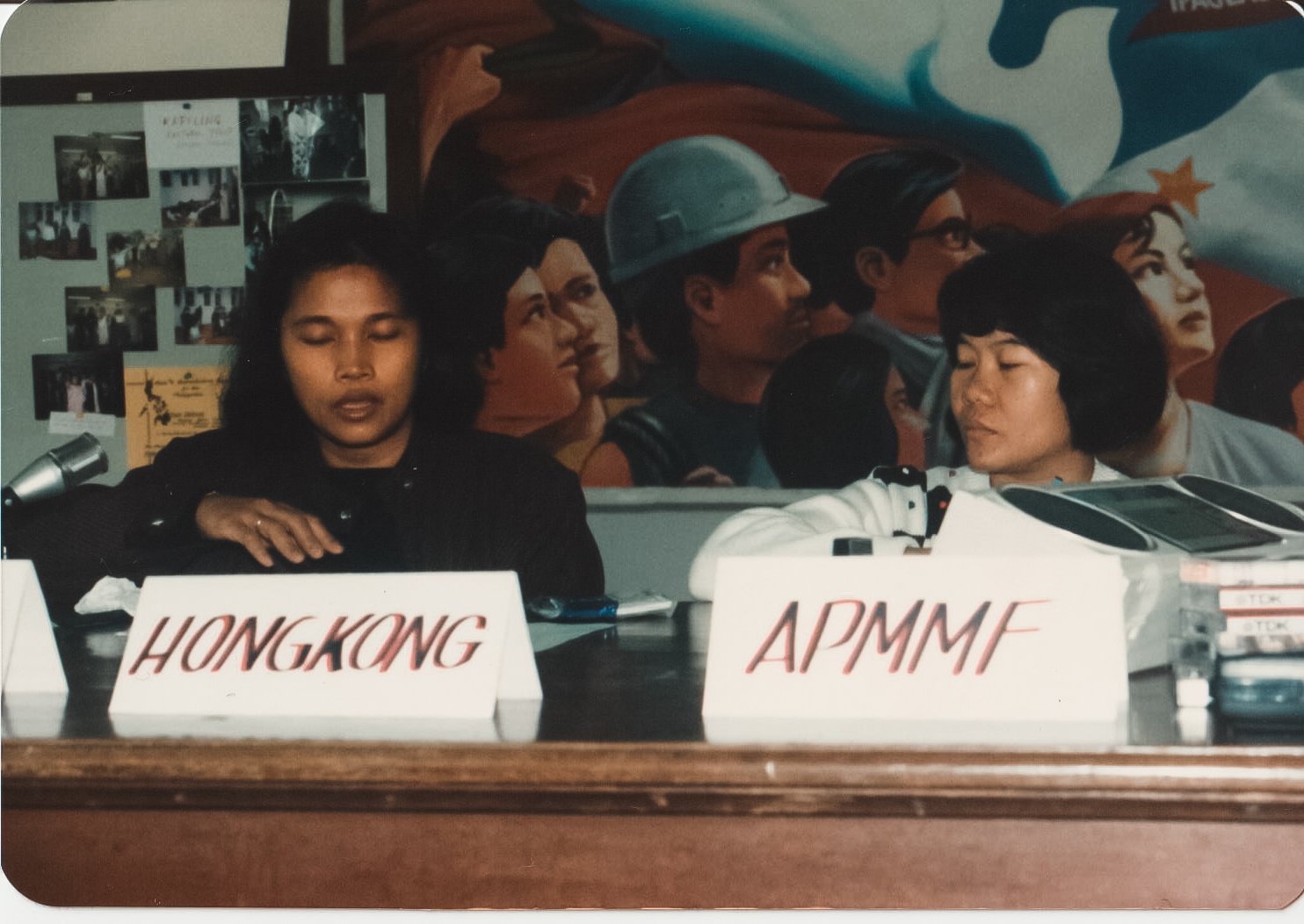
By APMM Tuesday, 07 May 2013We call on the Philippine government to take immediate action on the worsening plight of Filipino migrants living and working in the Kingdom of Saudi Arabia (KSA).
Specifically, we demand that Pres. Benigno Aquino III and his administration provide immediate attention, relief and repatriation to the many Filipino migrants and their children who have sought refuge outside the Philippine Consulate General in Jeddah, KSA requesting to be repatriated back to the Philippines.
Based on news reports, around 2,235 Filipinos, including women and children, have camped outside the premises of the Philippine Consulate General. All of them are pleading the Philippine government to facilitate their travel back to the Philippines and be reunited with their families. All of the 2,235 are undocumented migrants.
APMM May 1 Statement
This year’s May Day marks the 127th anniversary of the “Haymarket affair” in Chicago, Illinois, when American workers on a general strike for an eight-hour working day were fired upon by police. Dozens of demonstrators, many of them recent migrants from Europe, fell in that massacre, and eight labor activists were later jailed or hanged for allegedly throwing a bomb that made police overreact. The incident eventually became a galvanizing event for the labor movement, and is now annually commemorated in more than 80 countries as the International Workers’ Day.
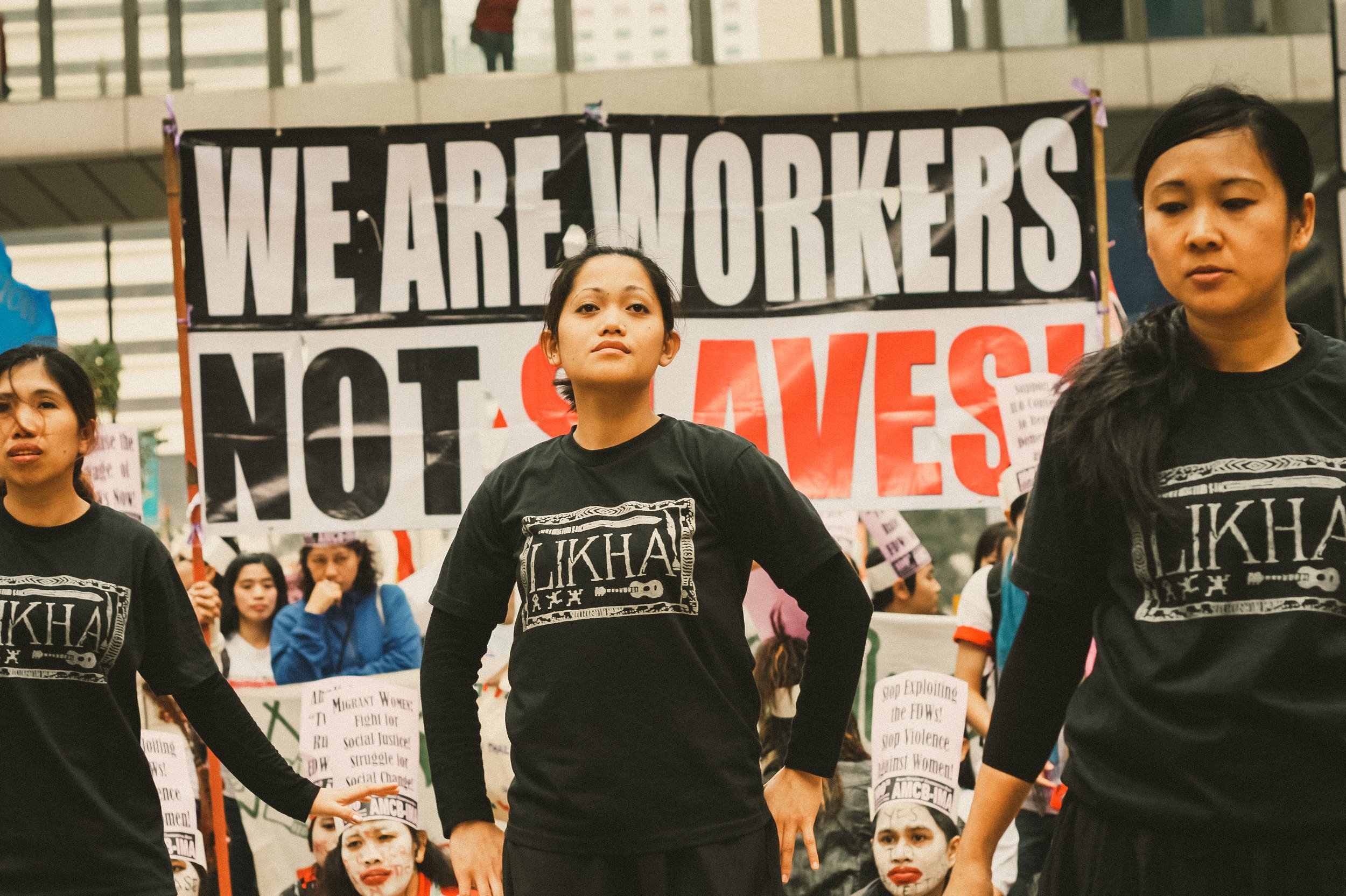
Today, more than a century after the labor movements in Europe and the US finally won the eight-hour standard workday, over half of workers around the globe toil for more than this number of hours daily and without overtime pay. Majority of them are contractual workers, and many of them are migrant workers. Among these migrant workers, foreign domestic workers toil longest, averaging 16 hours a day in such territories as Hong Kong, Macau, Taiwan, Singapore and the Middle East. Some work as long as 20 hours a day, for low wages and without overtime pay.