
Monitoring for Rights: Empowering Migrants, Strengthening Advocacy and Campaigns
Last March 28–29, 2026 in Quezon City, Philippines, the Asia Pacific Mission for Migrants (APMM) together with the Office of the High Commissioner of Human Rights (OHCHR) successfully organized “Migrant Monitoring for Rights: Workshop on Monitoring Government Policies, Mechanisms and Practices to Uphold and Protect Rights and Well-being of Migrants.”
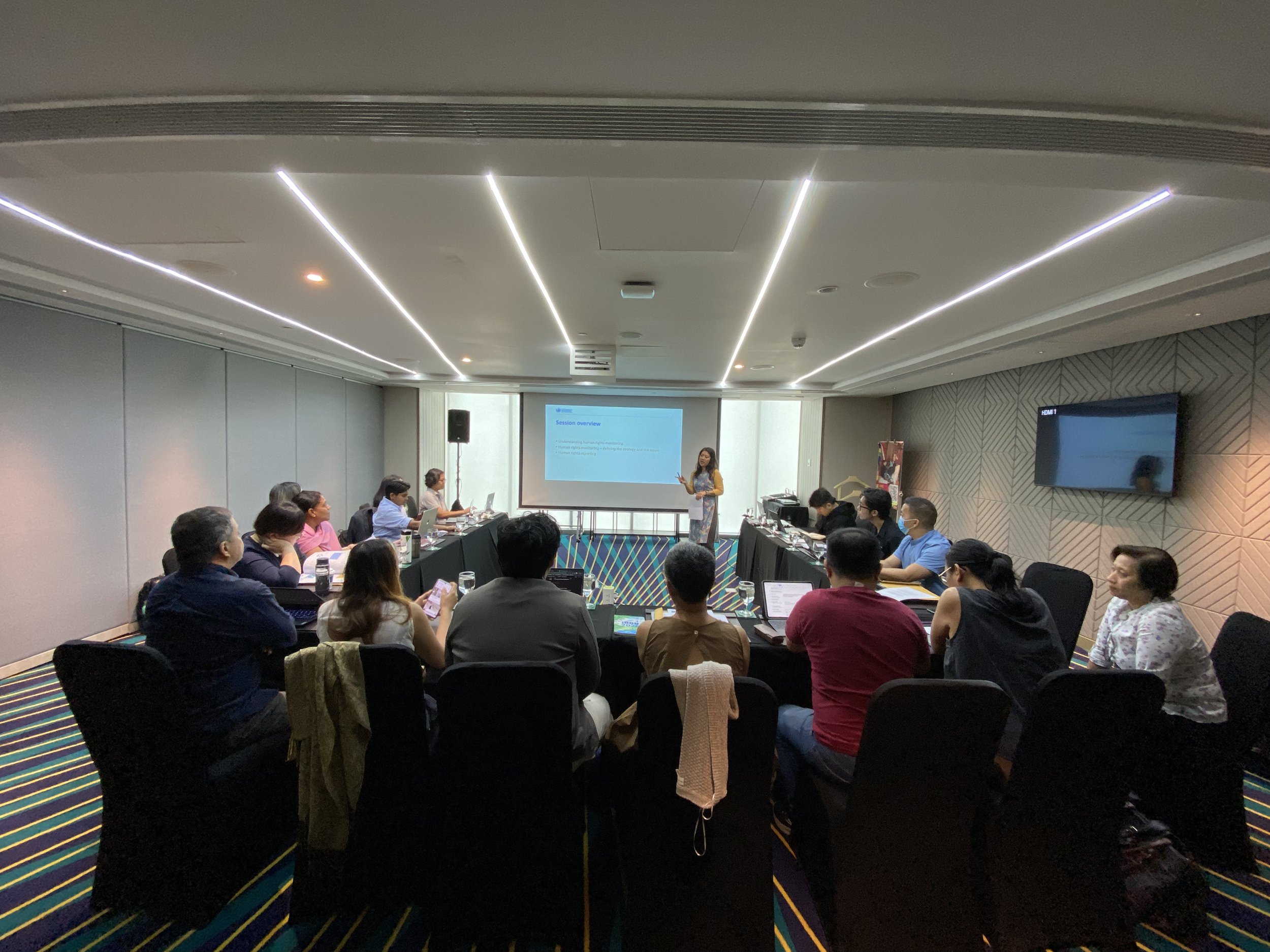
The event gathered 10 representatives of migrant organisations, migrant-service providers, and migrant rights advocate organisations from Malaysia and the Philippines.It aimed to develop capacity and foster cooperation among various actors in forming a country monitoring mechanism centered on the human rights of migrants.
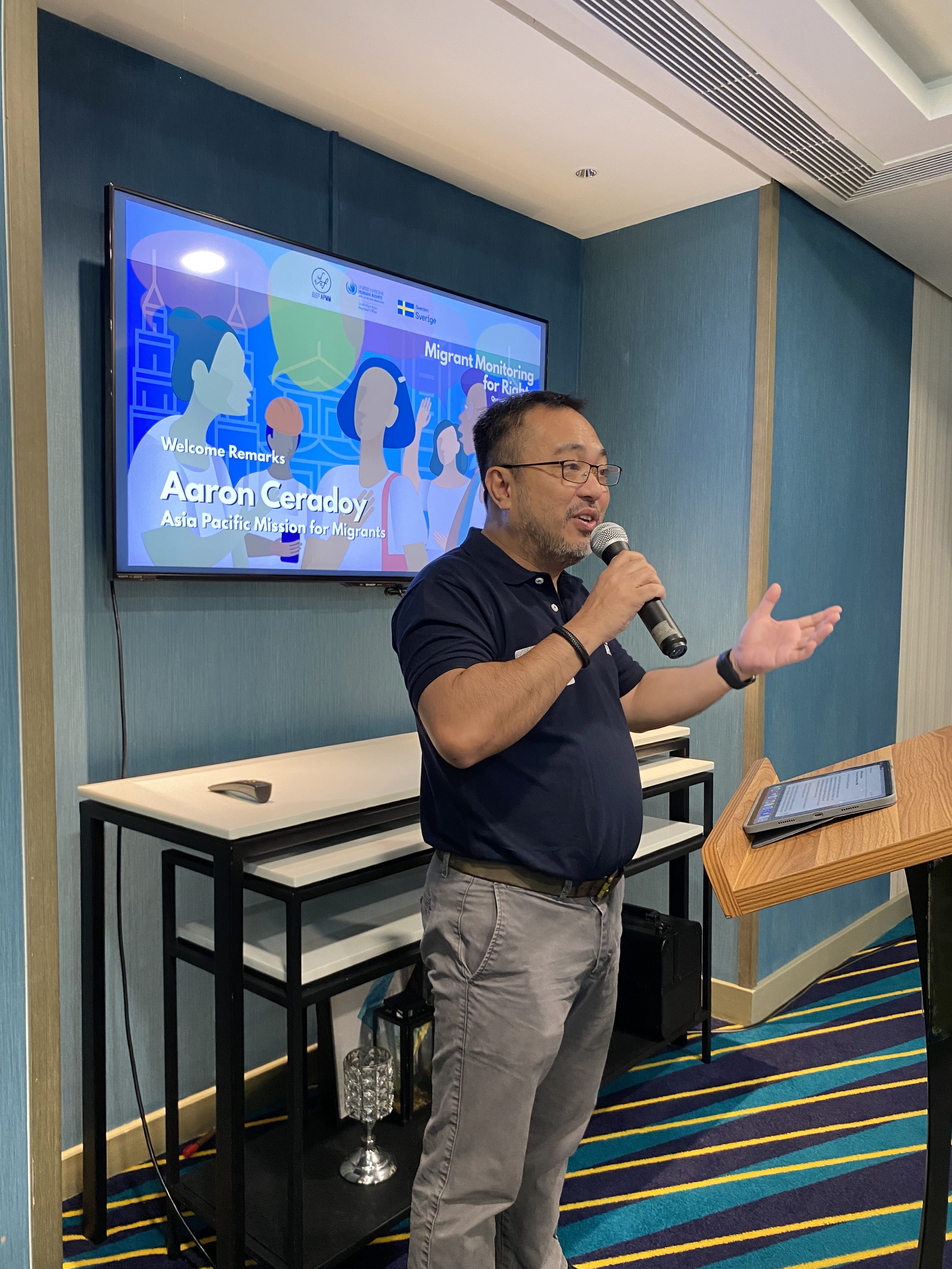
During his welcome remarks, Aaron Ceradoy of APMM provided an overview of the critical situation faced by migrants amidst the increasing economic crisis and political tensions. He said, “for us at APMM, monitoring is a part of the bigger mission to empower grassroots migrants and capacitate the movement that they built and lead, to actively defend the rights of migrants, promote their wellbeing and develop solidarity within and outside the migrants community.” Monitoring is about accountability of duty-bearers’ responsibility to the wellbeing of migrants as rights-holders. He underlined the objective of monitoring is to change what should be changed, instituting what is right, and ensuring that policies and practices are aligned towards migrant rights.
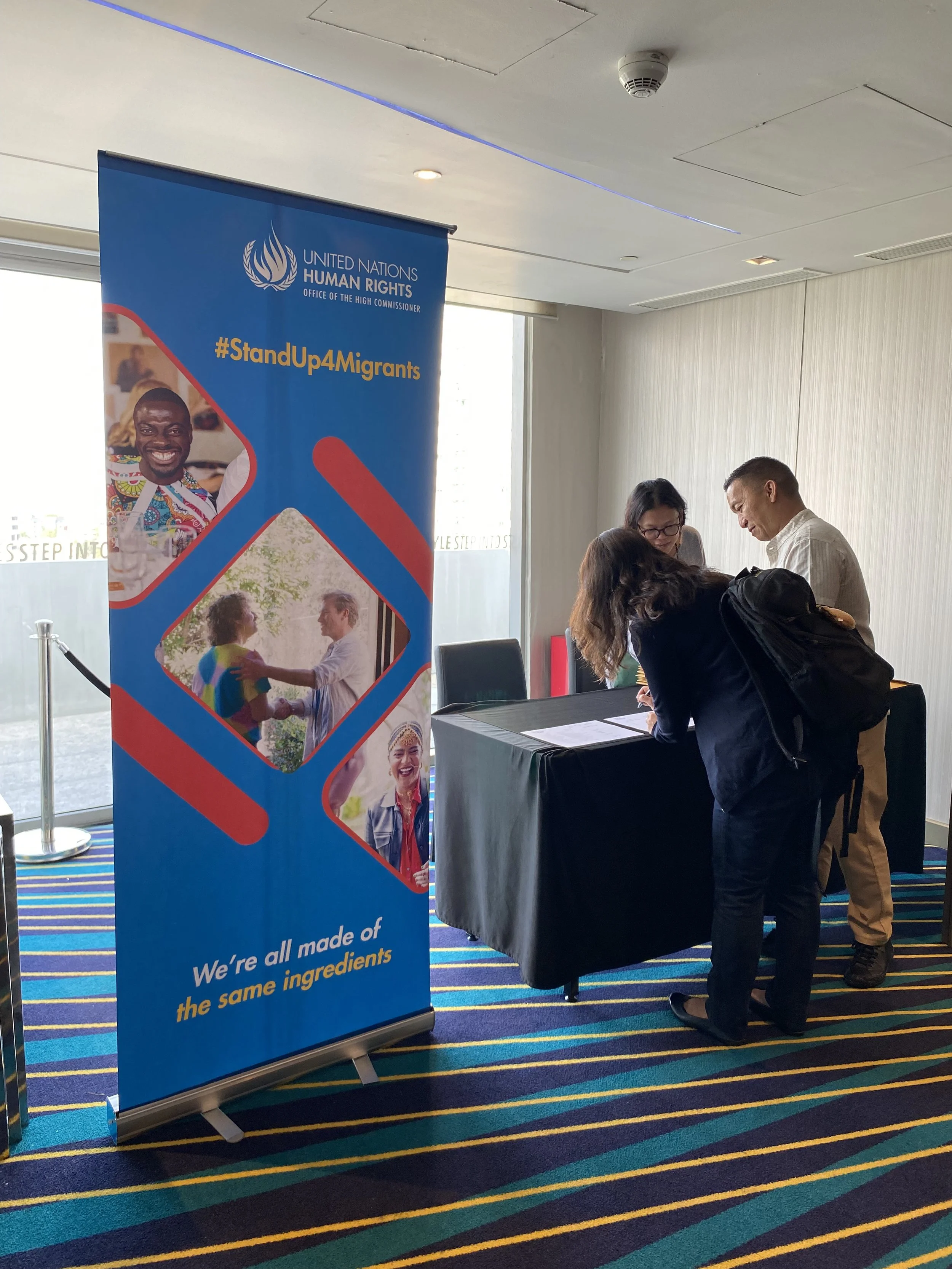
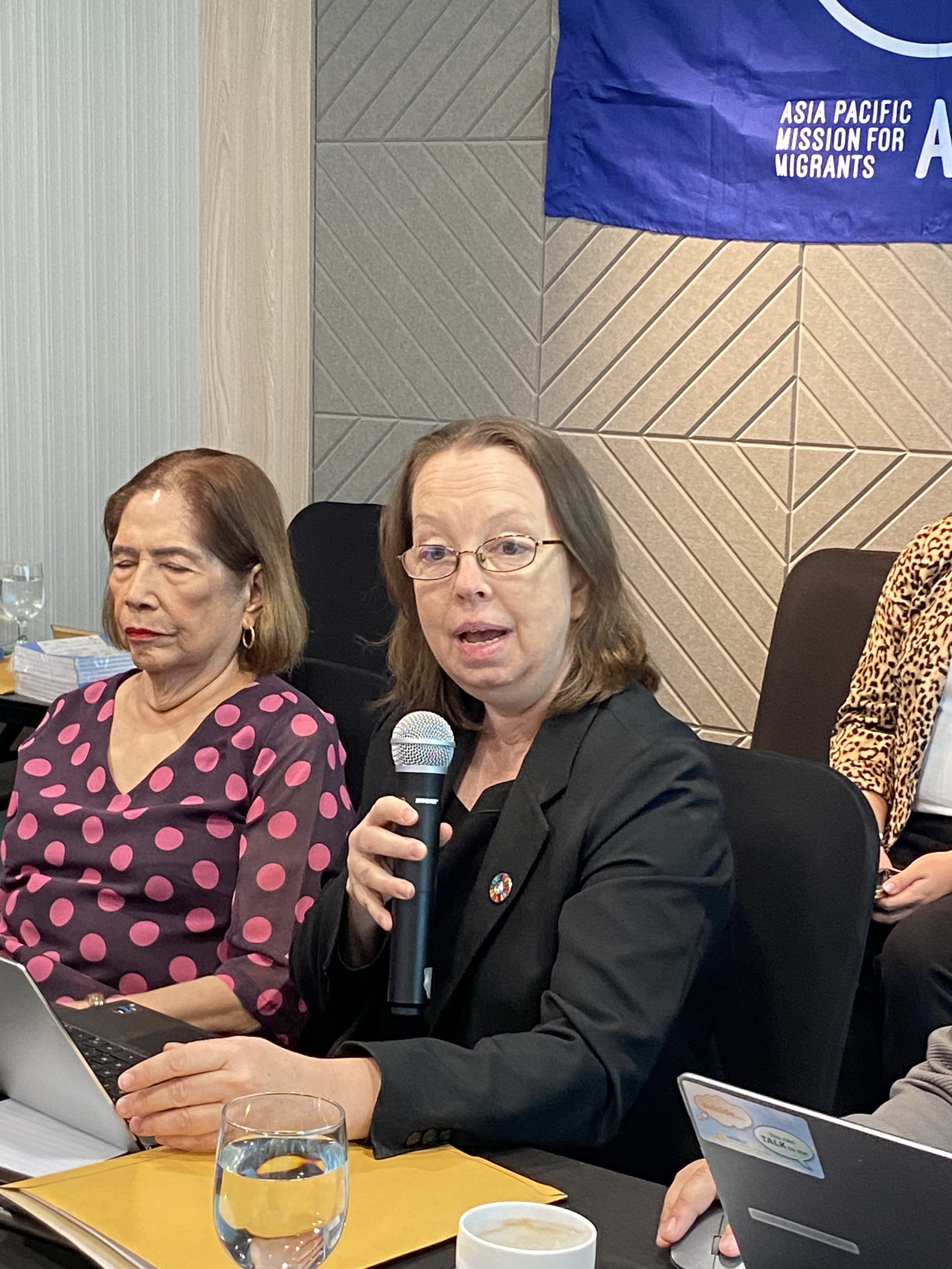
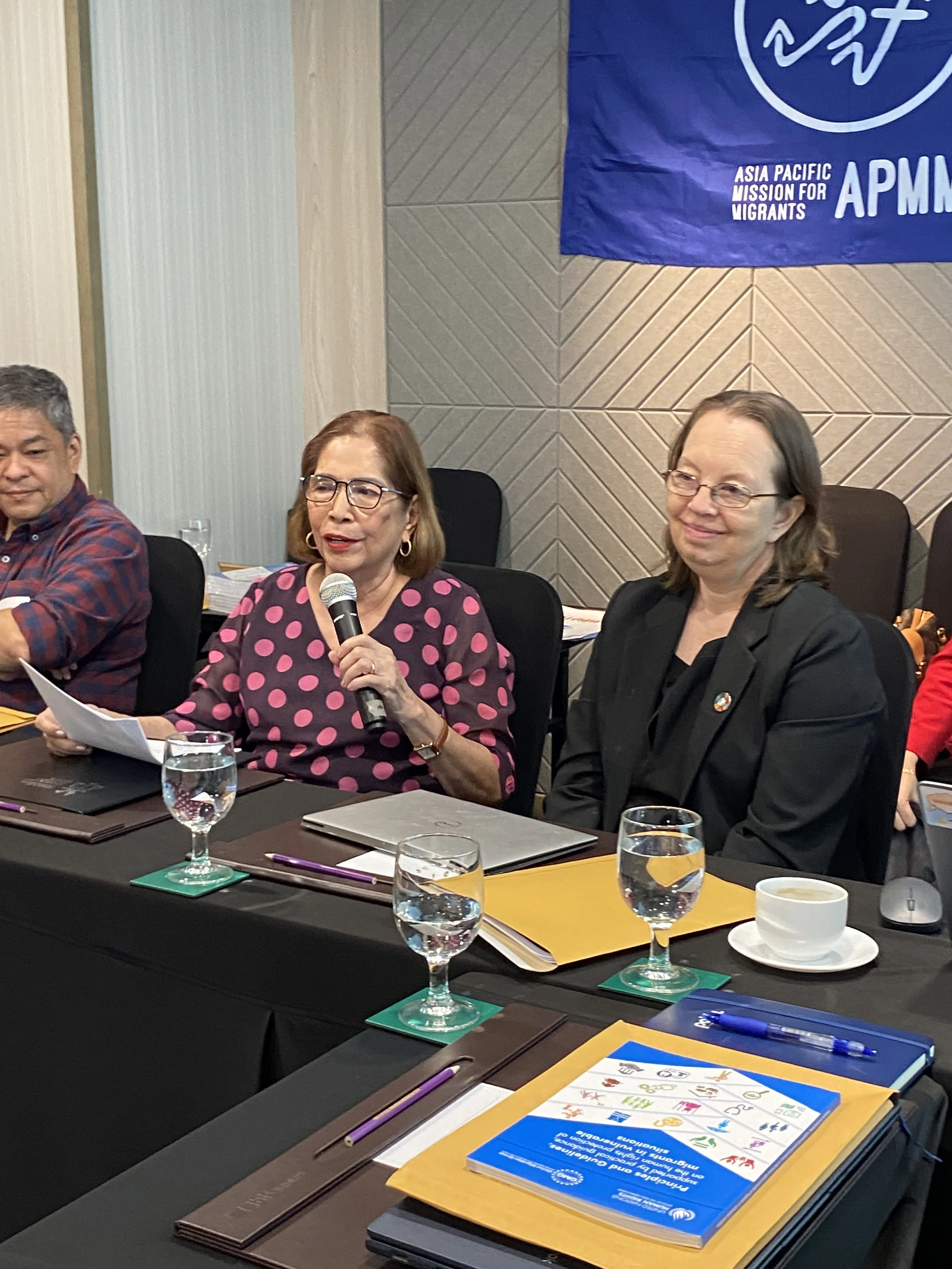
Senior Human Rights Advisor of OHCHR, Ms. Signe Poulsen, stressed the importance of monitoring during her opening remarks. She explained monitoring is a key tool for prevention, protection and knowing what’s happening on the ground. She said “you can spot harms, you can discourage abusive presences, and we can bring to the fore the intersectionalities that sometimes we also don't look at so much, and through that, help states move forward policies and practices.”
Commissioner Justice Monina Arevalo Zenarosa of the Commission on Human Rights of the Philippines highlighted the meaningful participation of migrants. She said “As we (CHR of the Philippines) move forward, we are guided by a simple yet very powerful principle, nothing about us without us. In line with the mandate of the CHR to promote and protect human rights, including the rights of vulnerable sectors such as migrant workers, it is essential that migrant workers, their families, and civil society must be meaningfully involved. This is how we transform voices into action.”
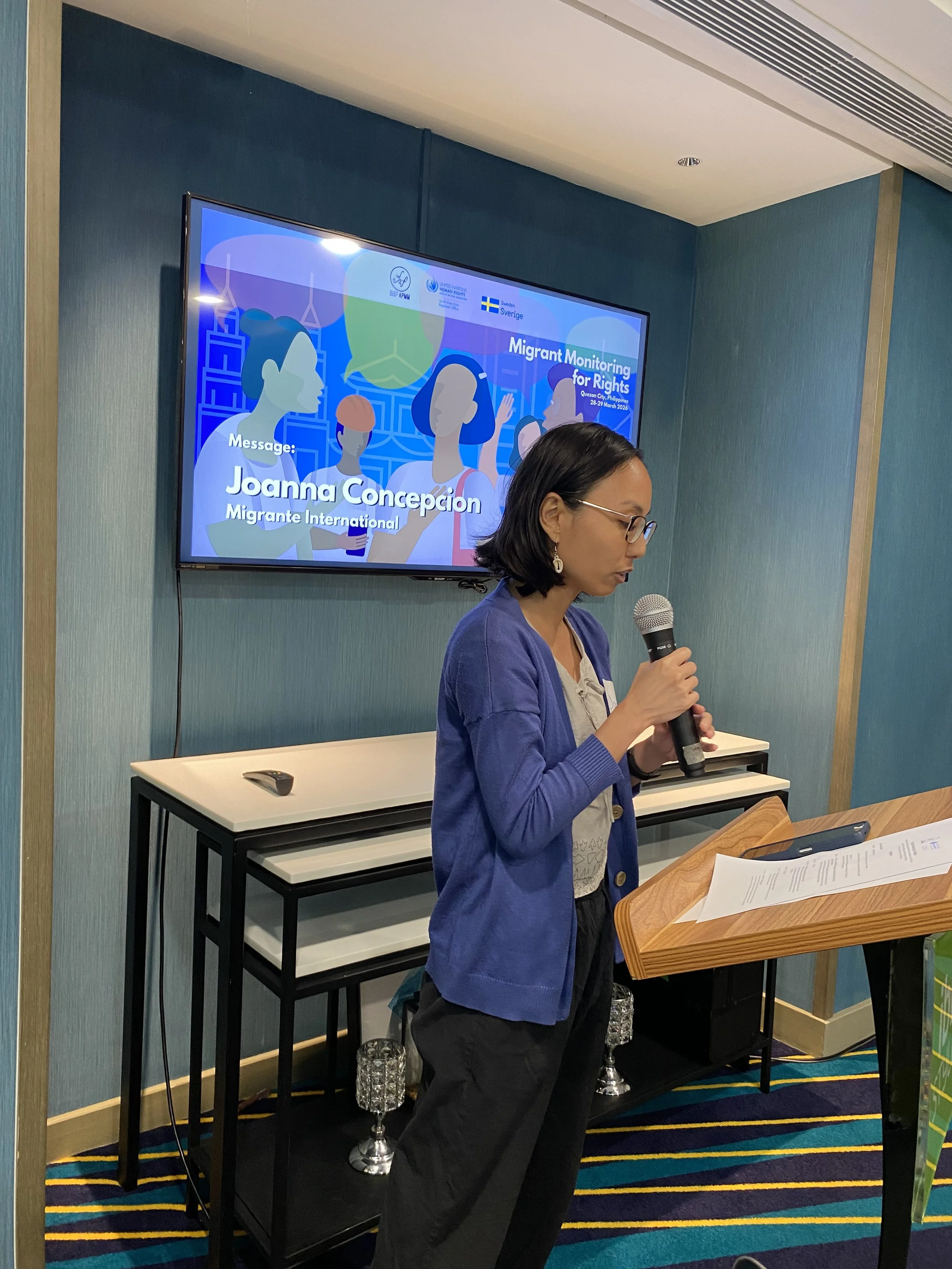
Joanna Concepcion of Migrante International also delivered a speech stating that monitoring and amplifying the conditions and plight of migrants is an important task for migrant rights defenders and advocates. “We should be critical and vocal about the response, actions, and inactions of our government leaders in addressing the concerns and demands of grassroots migrants”, she added. She underscored the importance of empowerment and movement building along the way as history has proven that it is the courageous movement of grassroots migrants that have won concrete gains for the rights of migrants at the local, national, regional, and international levels.
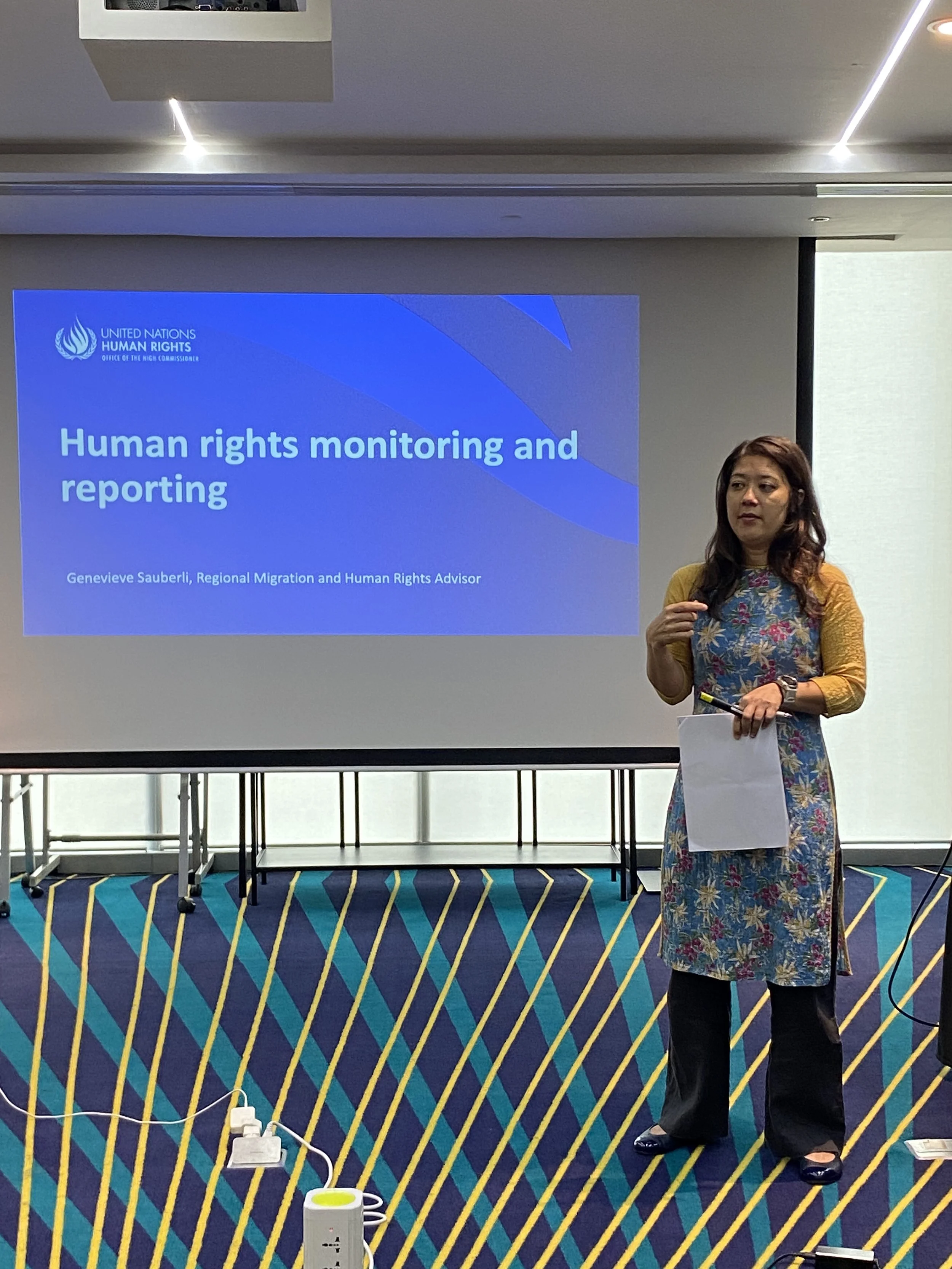
During the workshop, OHCHR discussed international human rights law and standards in the context of migration, UN human rights mechanisms, and human rights monitoring and reporting. OHCHR also shared practical tips for human rights analysis, identifying what information is missing and how to collect it through monitoring.
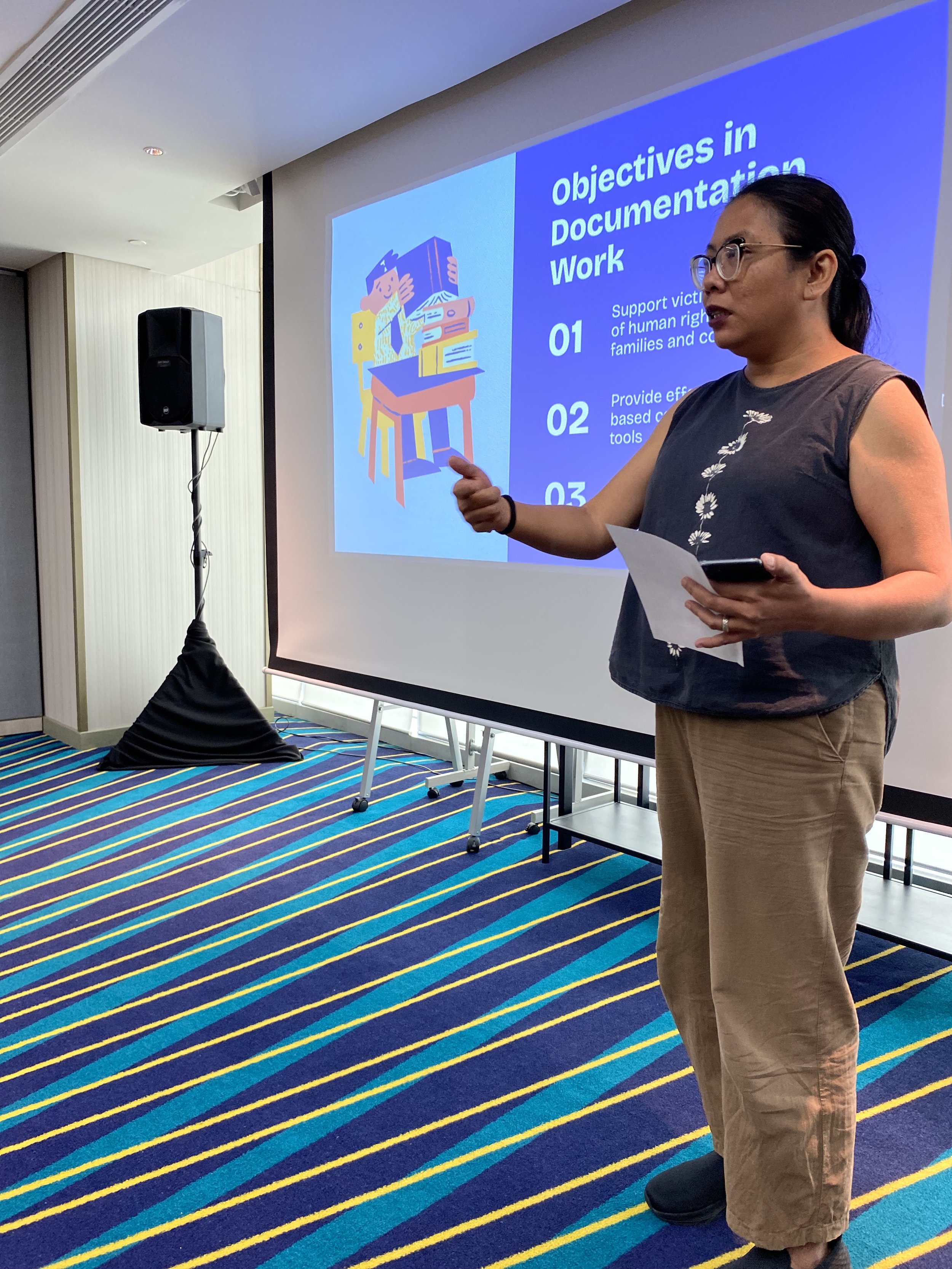
To further ground the realities of migrants in building a country monitoring mechanism, Tinay Palabay of Karapatan, an organisation championing human rights in the Philippines, shared their work on country monitoring. She said, for them, the objective of documentation work is clear, to support victims and survivors of human rights violations, their families and communities; to provide effective and evidence-based campaign and advocacy tools; and to expose and oppose the system of injustice. Her input inspired participants in building their own country monitoring mechanism.
Participants also actively shared the realities of migrants and their work in their respective countries and communities, and how their respective governments adhere to and implement international instruments and relevant agreements in relation to migration and human rights.
The workshop not only built a country monitoring mechanism, but also inspired its participants to continue the work together in their respective countries and beyond.
